
Tax season brings a wave of questions for every rental property owner in Akron. Sorting out which expenses actually lower your federal and Ohio tax bills can feel complicated, especially as rules shift between ordinary repairs and capital improvements. Akron landlords who master the deductible expense categories outlined by the Internal Revenue Service (IRS) set themselves up to keep more of their earnings and avoid missteps that trigger audits. Understanding the specifics helps you claim every legitimate write-off and stay compliant with both local and federal guidelines.
What Counts as a Deductible Expense?
Landlords in Akron, Ohio can significantly reduce their tax burden by understanding which rental property expenses are deductible. The Internal Revenue Service (IRS) provides clear guidelines about which costs can legally offset rental income, helping property owners maximize their financial strategies.
According to IRS guidelines, deductible expenses generally fall into several key categories:
- Mortgage Interest: Monthly interest payments on loans used to purchase or improve rental properties
- Property Taxes: Annual taxes assessed on the rental property location
- Repairs and Maintenance: Expenses directly related to keeping the property functional and habitable
- Utilities: Costs paid by the landlord when the property is vacant or for common areas
- Insurance Premiums: Property and liability insurance specific to the rental property
- Professional Fees: Legal, accounting, and property management expenses
The IRS specifies that these expenses must be ordinary and necessary rental expenses directly connected to managing and generating rental income. This means the costs should be standard in the rental property business and essential for maintaining the property’s revenue-generating potential.
Travel expenses related to rental property management can also be deductible. This includes mileage, transportation costs, and lodging when visiting the property for repairs, maintenance, or collecting rent. However, personal travel unrelated to the rental property does not qualify.
Professional Documentation is crucial. Landlords should maintain detailed records of all expenses, including receipts, invoices, and logs. These documents serve as critical evidence during potential tax audits and help substantiate claimed deductions.
Pro tip: Consult with a local tax professional who understands Akron’s specific municipal tax regulations to ensure you’re maximizing all available deductions for your rental property.
Major Rental Property Write-Off Categories
Successful landlords in Akron, Ohio know that understanding comprehensive tax write-offs can significantly reduce their annual tax liability. By strategically categorizing expenses, property owners can maximize their financial benefits and minimize taxable rental income.
Rental property write-offs typically fall into several key categories:
- Financing Expenses: Mortgage interest and loan origination fees
- Property Taxes: Annual local and state tax assessments
- Operating Expenses: Utilities, insurance, property management fees
- Maintenance and Repairs: Routine fixes and property upkeep
- Professional Services: Legal, accounting, and consulting fees
- Travel Expenses: Mileage and transportation related to property management
Some expenses require special consideration. Depreciation of rental property assets allows landlords to recover the cost of the property and certain improvements over time, providing a significant long-term tax benefit. This process enables property owners to spread out the cost of major investments across multiple tax years.
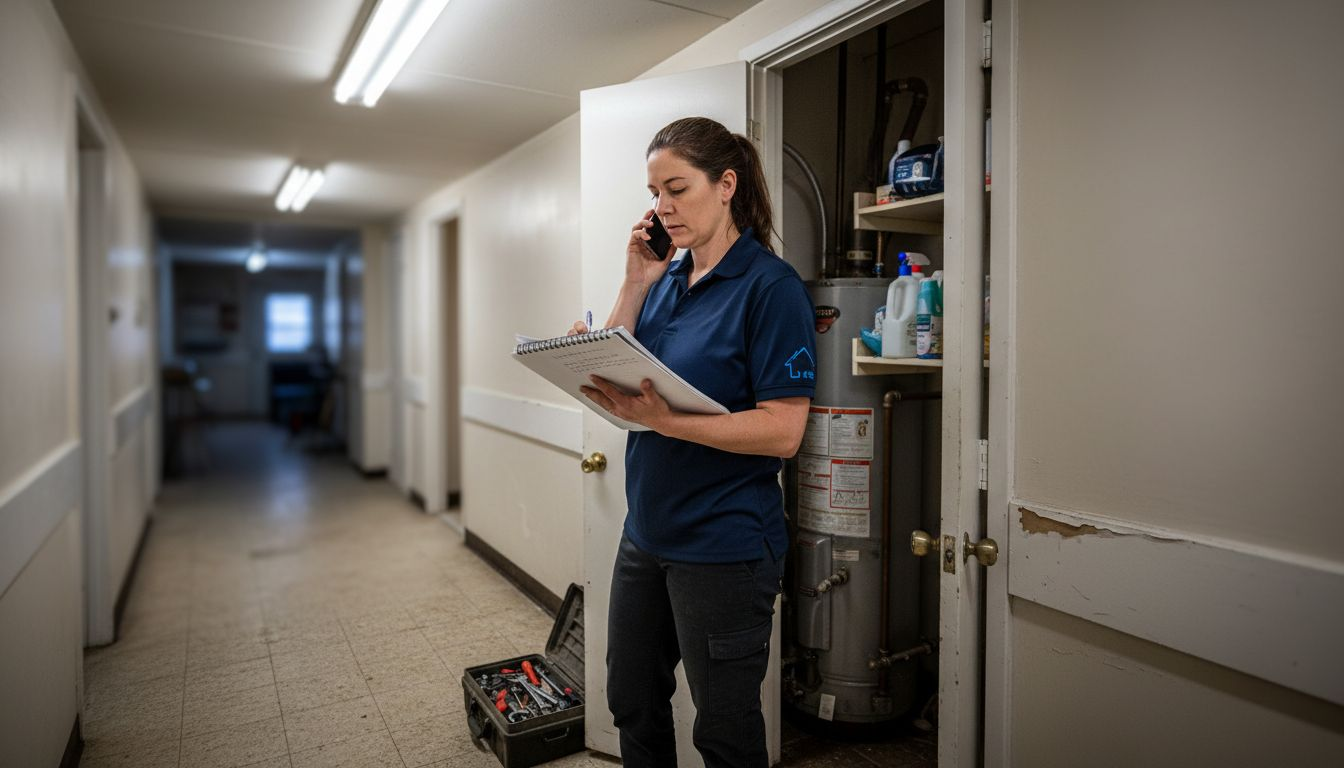
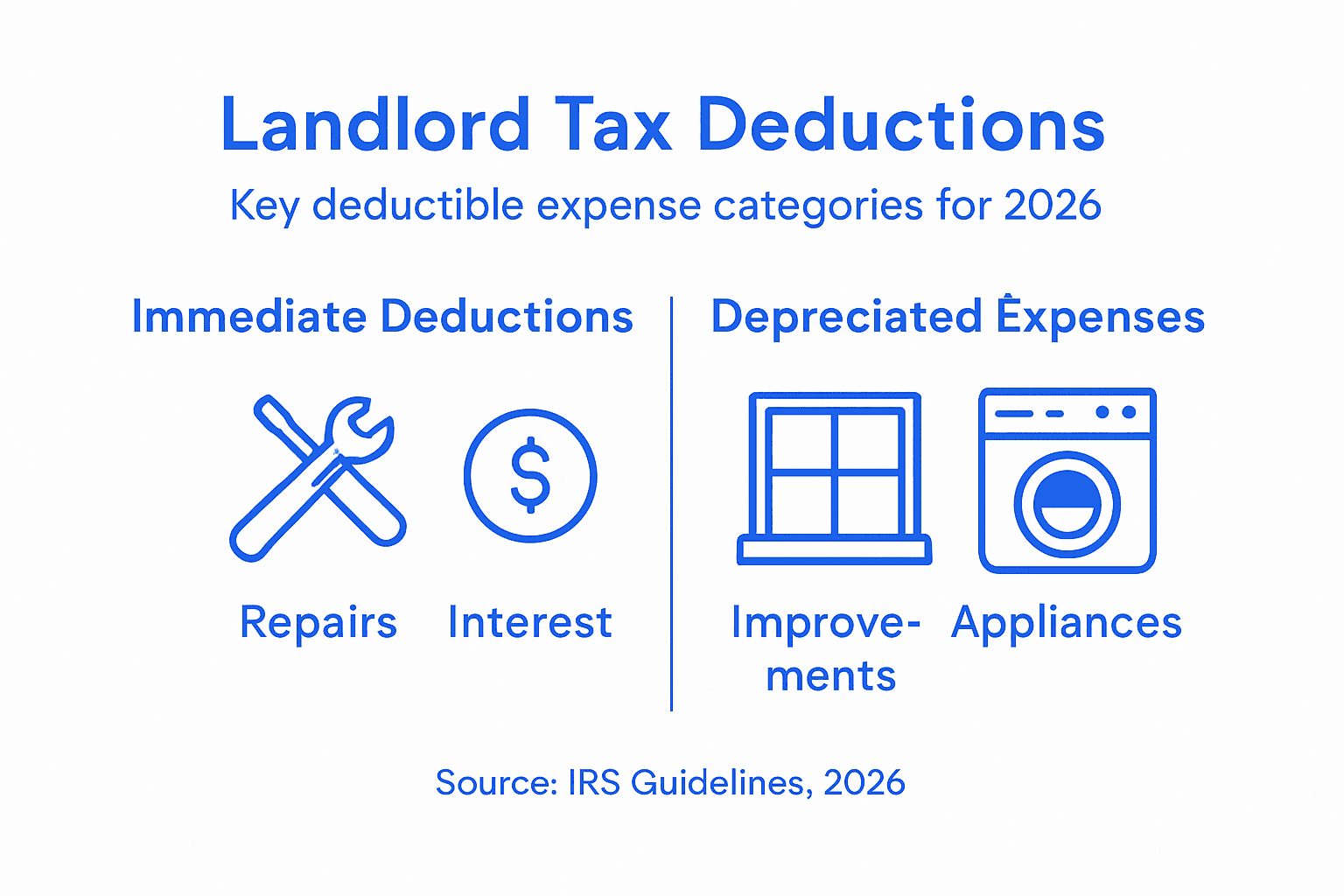
Maintenance expenses are particularly nuanced. Repairs that simply maintain the property’s current condition are typically fully deductible in the year they occur. In contrast, improvements that add value or extend the property’s life must be depreciated over several years. This distinction is crucial for accurate tax reporting and maximizing potential deductions.
Here’s a comparison of fully deductible rental expenses versus improvements that require depreciation, helping landlords distinguish expense treatment:
| Expense Type | Immediate Deduction | Must Be Depreciated | Typical Examples |
|---|---|---|---|
| Repairs/Maintenance | Yes | No | Leaky faucet fix, appliance repair |
| Capital Improvements | No | Yes | Roof replacement, new HVAC system |
| Operating Expenses | Yes | No | Property taxes, insurance payments |
| Structural Additions | No | Yes | Adding a deck, building an addition |
Documentation is the cornerstone of successful tax deduction strategies. Landlords should maintain meticulous records, including receipts, invoices, contracts, and logs of all property-related expenses. Digital record-keeping systems can help track these details efficiently and provide robust evidence during potential tax audits.
Pro tip: Consult with a local tax professional who specializes in rental property taxation to ensure you’re capturing every possible deduction while remaining compliant with current tax regulations.
IRS Requirements and State-Specific Rules
Navigating the complex landscape of tax regulations requires landlords to understand both federal guidelines and Ohio’s specific tax requirements. Rental property owners must carefully balance compliance with the Internal Revenue Service (IRS) standards and local state regulations to maximize their financial benefits and avoid potential penalties.
Federal tax guidelines for rental properties establish the foundational rules that all landlords must follow. These guidelines outline critical requirements for reporting rental income and expenses, including:
- Ordinary and Necessary Expenses: Costs must be standard in the rental business
- Reasonable Expense Standards: Deductions must be proportional and justifiable
- Documentation Requirements: Detailed records must support all claimed expenses
- Income Reporting: Complete disclosure of all rental revenue
- Depreciation Rules: Specific methods for recovering property investment costs
Ohio presents unique considerations for landlords beyond federal regulations. State-specific rules can significantly impact tax strategies, particularly regarding local tax assessments, property classifications, and potential additional reporting requirements. Landlords must be aware that municipal regulations in Akron and Summit County may impose additional compliance obligations not covered by federal guidelines.
The distinction between repairs and improvements becomes critical under both IRS and Ohio state regulations. Repairs that maintain the property’s current condition are typically fully deductible in the current tax year. Improvements that add value or extend the property’s life must be depreciated over several years, requiring careful documentation and strategic tax planning.
Pro tip: Create a dedicated digital filing system for all rental property documents, categorizing expenses by type and year to streamline tax preparation and audit defense.
Record-Keeping, Forms, and Audit Triggers
Successful landlords understand that meticulous documentation is the key to navigating tax reporting and minimizing the risk of an Internal Revenue Service (IRS) audit. Proper record-keeping goes far beyond simple organization – it’s a critical financial defense strategy for rental property owners in Akron and throughout Ohio.
IRS recordkeeping recommendations for rental properties emphasize the importance of comprehensive documentation. Landlords must maintain detailed records that substantiate every financial transaction related to their rental property, including:
- Income Documentation:
- Rent payment receipts
- Lease agreements
- Bank statements showing rental deposits
- Expense Tracking:
- Receipts for repairs and maintenance
- Utility bills
- Property management invoices
- Travel expenses related to property management
- Financial Records:
- Mortgage statements
- Property tax documents
- Insurance policies
- Depreciation records
Critical tax forms for rental property owners include Schedule E (Form 1040) for reporting rental income and expenses, Form 4562 for depreciation calculations, and Form 8582 for managing passive activity loss limitations. Each form requires precise reporting and supporting documentation to avoid potential audit triggers.
For quick guidance, here is a summary of key IRS forms that Akron rental property owners may need:
| IRS Form | Purpose | When to Use |
|---|---|---|
| Schedule E (1040) | Report rental income and expenses | Each year rental income is received |
| Form 4562 | Claim depreciation on property/assets | When depreciating property or assets |
| Form 8582 | Calculate passive activity loss limits | If passive losses need to be reported |
Audit risks increase with red flags such as disproportionate expense claims, inconsistent income reporting, or significant discrepancies between reported income and property value. Landlords should be particularly cautious about claiming excessive repairs, mixing personal and rental property expenses, or underreporting rental income.
Pro tip: Invest in a dedicated digital filing system that automatically categorizes and stores rental property documents, making tax preparation and potential audit defense significantly smoother.
Common Mistakes and Local Ohio Nuances
Rental property owners in Akron face a complex landscape of tax regulations that require careful navigation. Understanding the nuanced differences between federal guidelines and Ohio-specific rules can mean the difference between maximizing deductions and facing potential financial penalties.
Common landlord tax deduction mistakes reveal several critical areas where property owners frequently stumble:
- Expense Misclassification:
- Confusing repairs with improvements
- Incorrectly calculating depreciation
- Mixing personal and rental property expenses
- Documentation Errors:
- Inadequate record-keeping
- Missing receipts and transaction logs
- Incomplete expense tracking
- Ohio-Specific Challenges:
- Local municipal tax variations
- State-specific reporting requirements
- Unique property assessment rules
Ohio presents unique tax considerations that differ from federal regulations. Landlords must be particularly attentive to local tax codes in Summit County and Akron, which can impose additional reporting requirements and have specific rules about income reporting and property tax assessments.
The distinction between repairs and improvements becomes critically important for Ohio landlords. Repairs that maintain the property’s current condition can be fully deducted in the current tax year, while improvements that add value must be depreciated over several years. This nuanced categorization requires meticulous documentation and strategic financial planning.
Pro tip: Consult with a local Akron tax professional who specializes in rental property taxation to ensure you’re capturing every possible deduction while remaining compliant with both federal and Ohio state regulations.
Maximize Your Rental Property Deductions with Trusted Local Tax Experts
Understanding deductible expenses like mortgage interest, repairs, and depreciation can be complex for Akron landlords aiming to reduce their 2026 tax burden. The challenge lies not only in correctly classifying expenses but also in maintaining meticulous records to comply with IRS and Ohio-specific rules. Many landlords struggle with distinguishing repairs from capital improvements and ensuring all deductions meet the “ordinary and necessary” criteria outlined by tax authorities.
Take control of your rental property taxes today by partnering with experienced professionals who understand Akron’s unique tax landscape. Our team at APC1040 specializes in rental income tax preparation, offering affordable, transparent services tailored to your needs. Avoid costly mistakes and maximize your savings with personalized support and expert guidance on filing accurate returns, including depreciation and proper expense categorization. Visit https://apc1040.com/ now to get started and secure your financial advantage for 2026. Your peace of mind and maximum refund await.
Explore more about tax preparation services and discover how we help Akron landlords keep more of their hard-earned rental income.
Frequently Asked Questions
What types of expenses can landlords deduct on their taxes?
Landlords can deduct various expenses, including mortgage interest, property taxes, repairs and maintenance, utilities, insurance premiums, professional fees, and travel expenses related to property management.
How can I differentiate between repairs and improvements for tax purposes?
Repairs that maintain the property’s current condition are fully deductible in the year they occur. In contrast, improvements that add value or extend the life of the property must be depreciated over several years.
What documentation do I need to keep to support my deductions?
Landlords should maintain detailed records such as receipts, invoices, contracts, and logs of all property-related expenses. This documentation is essential for substantiating claims during tax reporting and potential audits.
Are travel expenses related to property management deductible?
Yes, travel expenses such as mileage, transportation costs, and lodging incurred while managing rental properties can be deductible, provided they are directly related to the management activities and not personal travel.